


1 min read
Roof Storm Damage: How To Identify (And Fix)
How To Identify Roof Storm Damage Storms are a reality that homeowners must face, and they can wreak havoc on roofs. Storms can damage your roof in...
3 min read
A roof is one of the most crucial elements of a home, providing shelter and protection from the elements. However, like all things, roofs have a lifespan. It’s important to recognize the signs that indicate your roof may need replacing:
If you’re a homeowner wondering how long your roof will last, you’ve come to the right place. This guide will help you understand the factors that affect roof longevity and how you can extend the life of your roof.
The lifespan of a roof depends significantly on the material used. Here’s a breakdown of the average lifespans for various roofing materials:
Asphalt shingles are the most commonly used roofing material in North America, and they’re relatively inexpensive compared to other materials. However, their lifespan is shorter than other roofing options:
Wood shingles and shakes are popular for their natural look, but they also have a shorter lifespan compared to other roofing materials. These are a good choice if you’re looking for a rustic or traditional aesthetic, but keep in mind that they typically only last a few decades.
Not too long ago, metal roofing was primarily used for commercial properties, but it’s now becoming increasingly popular for residential homes due to its durability and longevity. Depending on the type of metal used, a metal roof can last anywhere from 40-70 years or even more.

These roofing materials are popular in areas with intense sunlight and high winds, as they offer excellent durability and resistance to fire and extreme weather conditions.
These tiles are relatively new to the market, but they’re gaining popularity due to their energy-efficient properties and sleek design. A newer roofing material, solar tiles can last about 20-30 years, but their lifespan can vary depending on the manufacturer and installation quality.
One of the most durable roofing materials, natural slate can last over 100 years if properly maintained. Slate is popular for its elegant and timeless look, making it a popular choice for historic homes and buildings.
Environmental factors play a significant role in the lifespan of a roof. Understanding these considerations can help you better maintain your roof and possibly extend its life expectancy.
Aside from environmental considerations, several other factors can influence the lifespan of your roof:
Understanding the various factors that impact the lifespan of your roof is crucial for homeowners. By choosing the right materials, considering environmental and other influencing factors, and maintaining your roof properly, you can maximize its longevity.If you suspect your roof might be nearing the end of its life or you’ve noticed signs of damage, don’t wait until it’s too late. Contact Starway Roof Systems today for a professional assessment and learn how we can help with your roof repair or replacement needs. Taking proactive steps now can save you time, money, and stress down the road.

1 min read
How To Identify Roof Storm Damage Storms are a reality that homeowners must face, and they can wreak havoc on roofs. Storms can damage your roof in...
1 min read
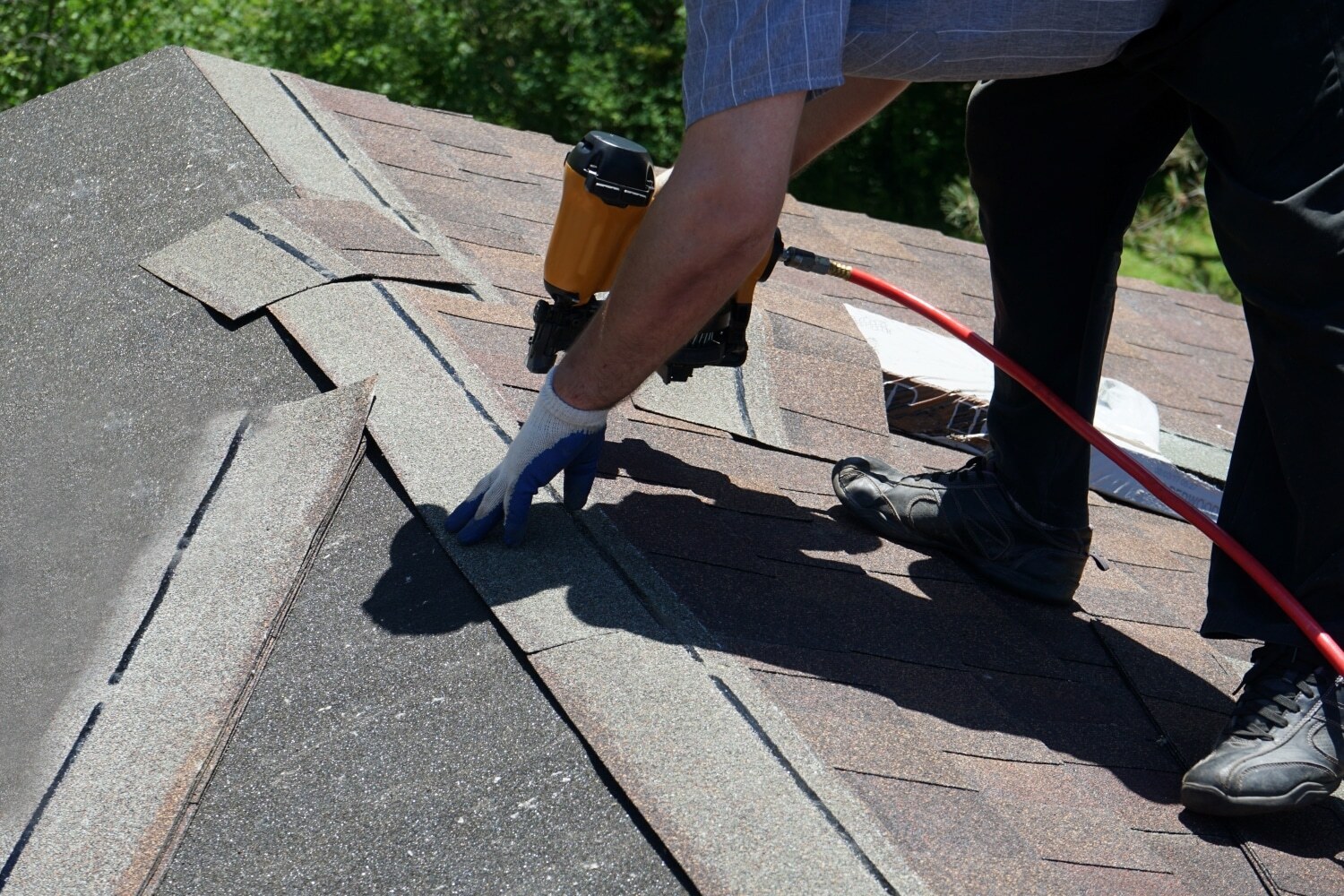
How Long Does It Take To Replace A Roof? A roof is more than just a protective covering for your home; it’s an essential part of your home’s...
1 min read
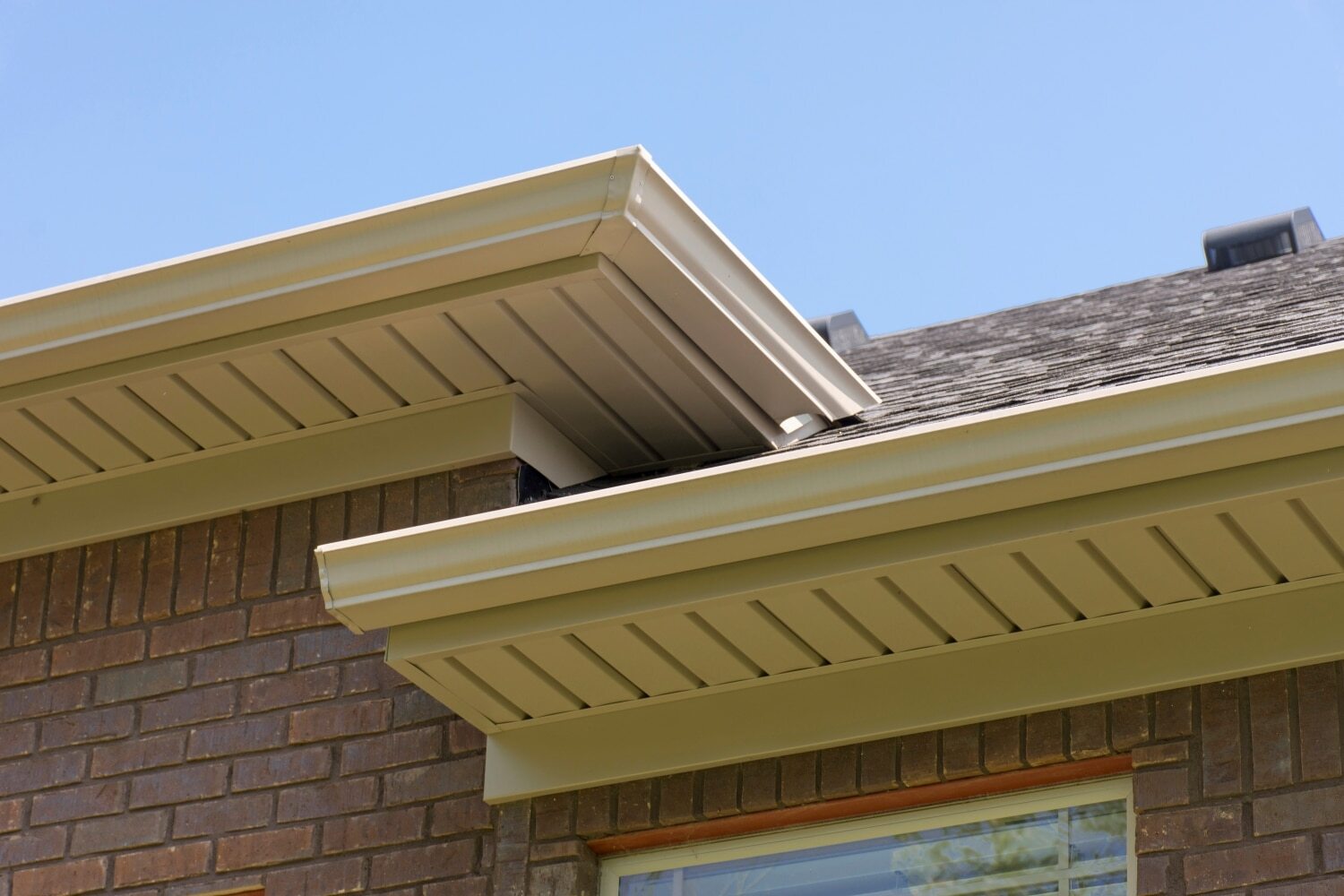
6 Roof Overhang Types To Consider When it comes to safeguarding your home from the elements, roof overhangs play a crucial role. These protrusions...