4 min read

Essential Roofing Tips: Understanding Components and Design

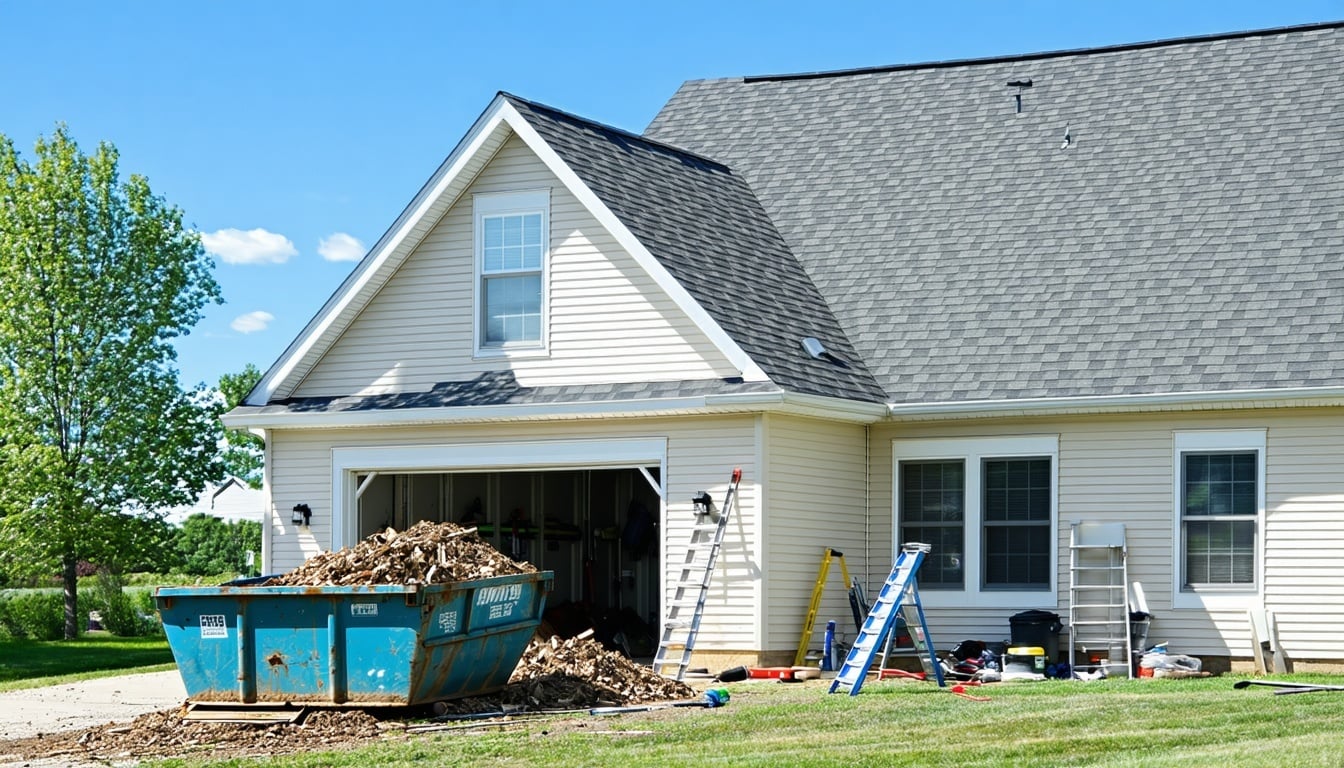
A well-maintained residential roof showcasing various roofing elements such as asphalt shingles, flashing, and a visible ridge. The house has a gable

Equip yourself with the essential knowledge to maintain, replace, and design your roof effectively.

Key Roofing Components Every Homeowner Should Know

Understanding the main components of a roof is crucial for any homeowner. Your roof is more than just a layer of shingles; it's a complex system designed to protect your home from the elements. Here are the seven basic roofing components you should be familiar with:

  • Shingles: These are the outermost layer of your roof and come in various materials such as asphalt, wood, or slate. Shingles protect the underlying sheathing from weather damage and are traditionally measured in squares, with one square covering 100 square feet.
  • Sheathing: Also known as the deck, this layer of boards or sheet material is attached to the rafters and provides a base for the shingles.
  • Trim: Installed along hips and ridges, trim protects the seams of your roof.
  • Rafters: These wooden or metal slats form the skeleton of your roof, supporting the sheathing and shingles.
  • Underlayment: This water-resistant material is laid over the sheathing to provide an additional layer of protection against rain and snow.
  • Flashing: Made from sheet metal or other materials, flashing is installed at the joints of your roof to prevent water damage.
  • Drainage: This feature allows your roof to shed water effectively. It's measured by the slope or pitch of the roof, which is the rise in inches for each foot of horizontal distance.

Popular Roof Design Elements and Their Functions

The design of your roof is just as important as its components. Certain design elements can enhance both the aesthetic appeal and functionality of your roof. Here are some common design elements:

  • Gable Wall: These triangular sections extend from the eaves to the peak and are common in many homes.
  • Centerline of Ridge: Also known as the verge, this is the wall or rafter under the edge where a gable ends.
  • Ridge: The highest point of the roof, also called the peak.
  • Valley: These are the areas where two roof sections meet and slope downward.
  • Eaves: The edges of the roof that hang over the exterior walls.
  • Hip: A high point where two sections of the roof meet.
  • Abutment: The meeting point between sections of the roof and vertical areas like walls or chimneys.
  • Dormers: These are projections from the roof designed to bring natural light into attics or upper floors.

How to Assess the Condition of Your Current Roof

Before you consider a roof replacement, it's essential to assess the condition of your current roof. Here are some steps to guide you:

  1. Check the Age: The age of your roof is a significant factor in determining its condition. Asphalt shingles typically last about 20 years, while wood shake roofs can last up to 30 years.
  2. Inspect for Damage: Look for missing granules, curled shingles, and dark spots. These signs indicate that your roof may be nearing the end of its lifespan.
  3. Evaluate Ventilation: Proper ventilation is crucial for a healthy roof. Ensure your attic has a gap-free layer of insulation on the floor, a vapor barrier under the insulation, and enough vented spaces to allow air to circulate freely.
  4. Check for Leaks: Water stains on your ceiling or walls can indicate a leak. Inspect your attic and roof for any signs of water damage.

Choosing the Right Shingles for Your Roof

The type of shingles you choose can significantly impact the durability and appearance of your roof. Here are some common options:

  • Asphalt Shingles: These are the most popular due to their affordability and ease of installation. They typically last about 20 years.
  • Wood Shingles: Known for their natural look, wood shingles can last up to 30 years but require more maintenance.
  • Clay Tiles: These are durable and fire-resistant but can crack under extreme weather conditions.
  • Metal Roofing: Known for its longevity and durability, metal roofing is an excellent option for areas prone to harsh weather.
  • Slate Shingles: These are highly durable and can last up to 100 years but are more expensive.

Consider your local climate and the architectural style of your home when choosing shingles.

The Importance of Proper Roof Ventilation

Proper ventilation is crucial for maintaining a healthy roof. Without adequate airflow, your roof can become susceptible to mold, mildew, and other issues. Here are key points to consider:

  • Ventilation Systems: Ensure your roof has a main vent, such as a ridge vent, to allow hot air to escape. Supplement this with soffit vents to draw in cool air.
  • Insulation: A gap-free layer of insulation on the attic floor helps protect your home from heat gain and loss. Ensure there's at least one inch between the insulation and roof sheathing.
  • Vapor Barriers: Install a vapor barrier under the insulation to prevent moisture from rising into the attic.

Proper ventilation extends the lifespan of your roof and improves energy efficiency.


Understanding Roof Fire Ratings and Safety Measures

When it comes to keeping your home safe, knowing about roof fire ratings can really help you make smart choices. There are three main classes to be aware of:

Class A: This is the top-notch level of fire resistance, featuring materials like clay tiles, fiberglass asphalt shingles, and metal roofing. Class B: Offers a decent level of fire resistance and includes options like pressure-treated shakes and shingles. Class C: Provides the basic level of fire resistance and includes untreated wood shakes and shingles.

It's a good idea to think about the fire rating of your roofing material, especially if you live in an area where wildfires are a concern.

Estimating Costs for Roof Replacement

Replacing a roof is a significant investment. Here are factors to consider when estimating costs:

  • Material Costs: Different materials have varying price points. Asphalt shingles are generally the most affordable, while slate and metal roofing can be more expensive.
  • Labor Costs: The complexity of your roof design can affect labor costs. Roofs with multiple ridges, valleys, and dormers may require more labor.
  • Roof Size: The larger your roof, the more materials and labor will be needed.
  • Additional Features: Features like skylights, chimneys, and ventilation systems can add to the overall cost.

Get multiple quotes from reputable contractors to ensure you're getting a fair price.

Maintenance Tips to Prolong the Life of Your Roof

Regular maintenance can extend the lifespan of your roof and prevent costly repairs. Here are some tips:

  • Regular Inspections: Inspect your roof at least twice a year, in the spring and fall, to catch any issues early.
  • Clean Gutters: Ensure your gutters are free of debris to prevent water from backing up and damaging your roof.
  • Trim Overhanging Branches: Trees near your roof can drop leaves and branches, which can cause damage over time.
  • Remove Moss and Algae: These can retain moisture and damage your shingles. Use a roof cleaner specifically designed for moss and algae removal.
  • Repair Damage Promptly: Address any signs of damage immediately to prevent them from worsening.

By following these maintenance tips, you can keep your roof in excellent condition for years to come.


By understanding the essential components, design elements, and key considerations for roof replacement, you can make informed decisions about maintaining and upgrading your roof. Proper ventilation, selecting the right materials, and regular maintenance are crucial for ensuring the longevity and safety of your roof. Equip yourself with this knowledge to protect one of your home's most vital structures.
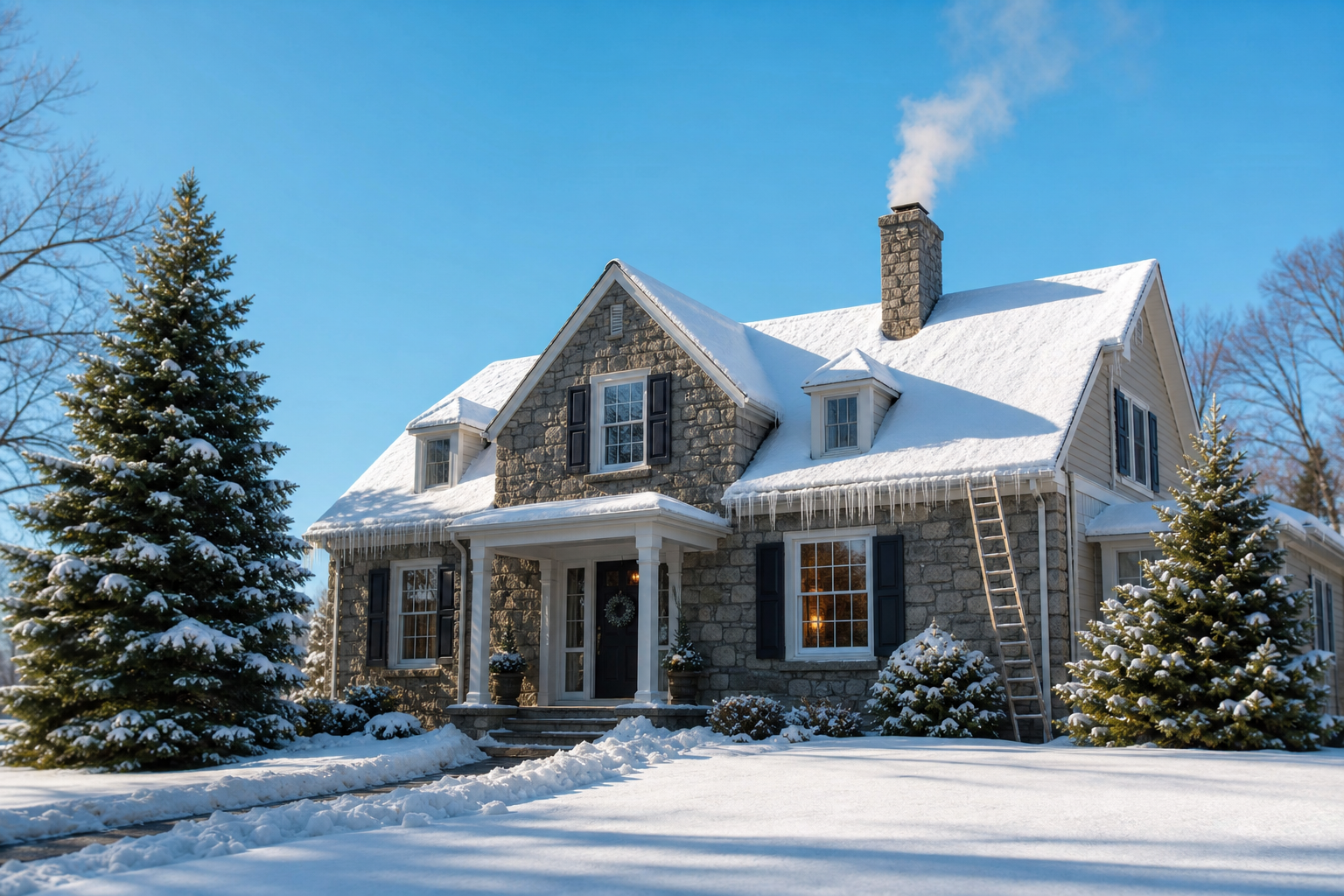
Winter Roof Maintenance 101: Preparing Your Home for Cold Weather

1 min read

Winter Roof Maintenance 101: Preparing Your Home for Cold Weather

Winters in Central Pennsylvania can be harsh, bringing snow, ice, and frigid temperatures that put your roof to the test. A little preventive care...
Read More
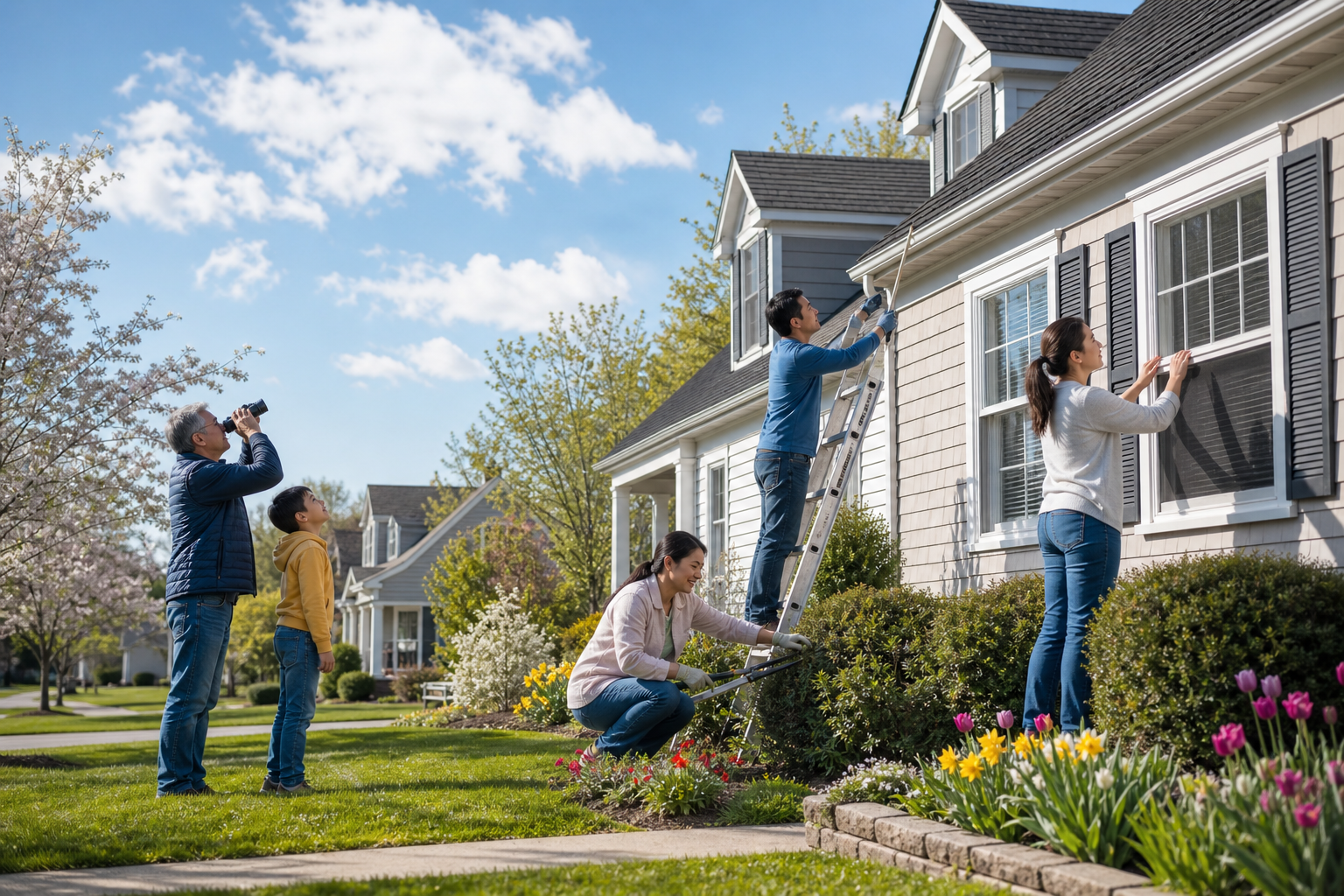
The Top Home and Roof Maintenance Tips for Spring

1 min read

The Top Home and Roof Maintenance Tips for Spring

The Top Home and Roof Maintenance Tips for Spring Spring Home Maintenance Tips for the State College, Pennsylvania Area
Read More
Tree Maintenance to Keep Your Roof & Home Safe

1 min read

Tree Maintenance to Keep Your Roof & Home Safe

How trimming your trees might just save your roof and garden

Read More