


 Elmer Glick
1 min read
Why We Use 5/16-Inch ZXL Screws on Metal Roofs, Not 1/4-Inch
On an exposed fastener metal roof, the screws are the part that wears out first, and it is the rubber washer under each screw head that fails. We...
If water drips from the underside of your metal roof on a cool, clear morning when it hasn't rained, the cause is almost always condensation, not a leak. Warm, damp air touches the cold steel, turns to water and falls back down. On a new or replacement metal roof, the simplest fix is DripStop, a felt-like membrane applied to the underside of the panels at the factory that soaks up that moisture and lets it dry back into the air.
We put DripStop on every metal roof quote we write at Starway Roof Systems. Below we explain why metal roofs drip inside, how to tell condensation from a leak, how DripStop works, and when it matters most for homes, barns and garages here in Central PA.
Watch: why condensation happens underneath roofs and how to prevent it.
Air always holds some water vapor. When that air touches a surface colder than its dew point, the vapor turns back into liquid water. It is the same thing you see on a glass of iced tea on a summer day.
Steel is thin and gives up heat quickly. On a clear night, a metal roof loses heat to the open sky and can get colder than the air around it. The air under the roof is often warmer and damper than the air outside, so when it reaches the underside of those cold panels, water forms. Once the droplets get heavy enough, they fall.
In Central PA, the moisture under a metal roof usually comes from:
Uninsulated buildings get it worst, because nothing separates the damp air inside from the cold steel overhead. That is why a barn or detached garage with a bare metal roof can seem to rain inside on a dry morning.
The fix depends on which one you have, so it is worth sorting out first.
On exposed fastener roofs, worn screw washers are a common source of leaks. Our post on why we use 5/16-inch ZXL screws explains what wears out on those roofs and why. If you can't tell which problem you have, we can look at it during a free roof inspection.
DripStop is a felt-like membrane made by Freudenberg Performance Materials. It is bonded to the underside of metal roof panels at the factory, before the panels ever reach your property.
The membrane has small pockets built into it. When condensation forms overnight, the pockets catch the droplets and hold them, so the water stays up against the steel instead of falling on your car, your hay or your ceiling. As the sun warms the roof the next day, the moisture dries back into the air. The cycle repeats every night on its own.
The manufacturer says the membrane stays effective for the life of the metal roof, and that in its testing, panels with DripStop held up against corrosion on the underside much better than bare panels.
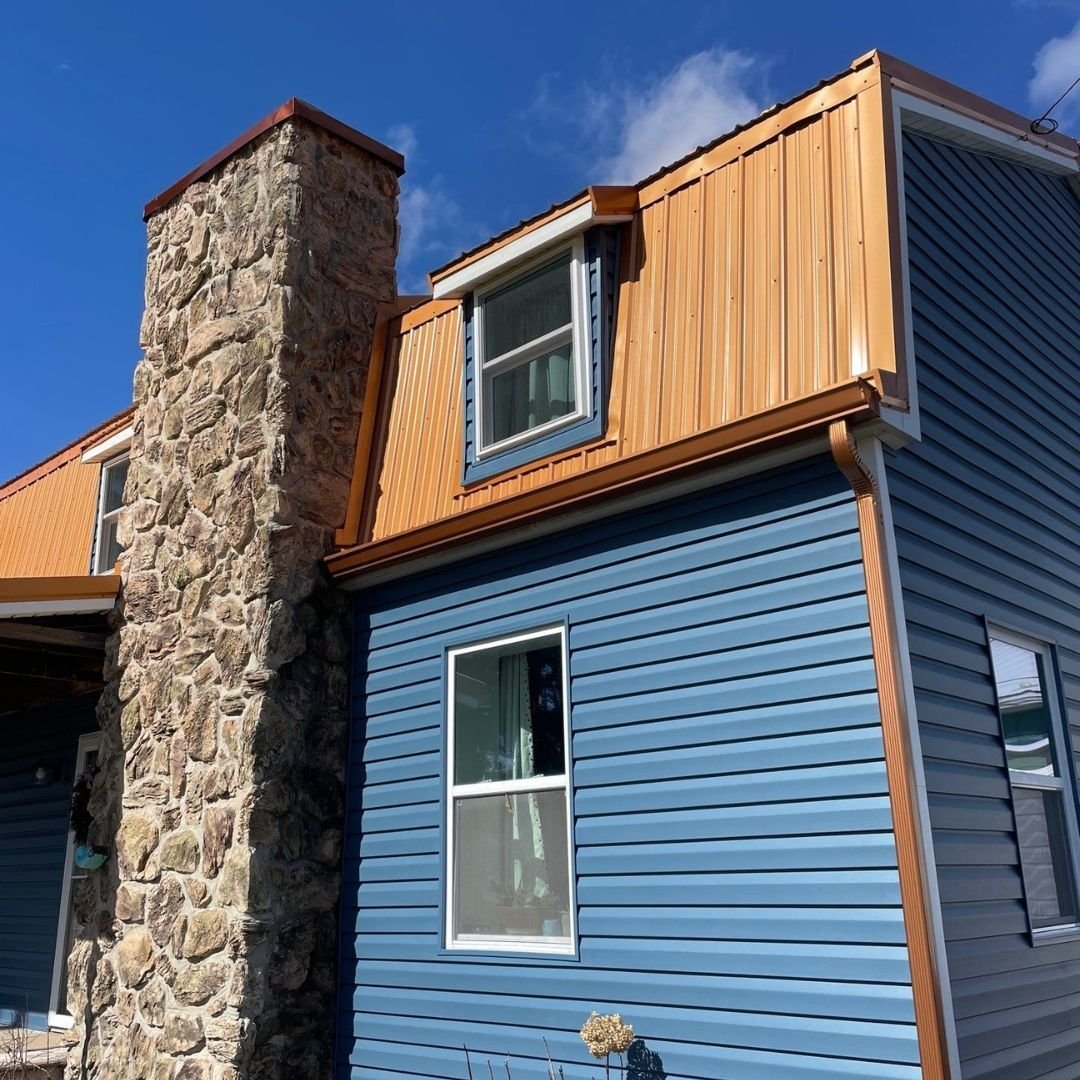
Because DripStop is applied when the panels are made, it cannot be sprayed or glued onto a metal roof that is already installed. The only time to get it is when the building goes up or when the metal roof is replaced.
That is why it is on every metal roof quote we write. You can choose to leave it off, but once the panels are on, that decision stays with the roof for its whole life.
If you already have a metal roof that drips and you are not ready to replace it, the other ways to control condensation are cutting down the moisture inside the building, improving ventilation, or insulating under the panels. Which one makes sense depends on the building.
On a barn, pole building, detached garage, workshop or equipment shed with no insulation under the roof, DripStop is almost an absolute necessity. Without it, the drip lands on whatever is underneath: hay, feed, tools, vehicles or animals.
We highly recommend DripStop on homes too. When we tear off old metal roofs that were installed without it, we have found water underneath the panels. Moisture trapped against the roof deck year after year is the kind of slow problem that can lead to rotted sheathing, one of the most common things we find when we replace roofs in Central PA.
If you are planning a new metal roof, ask whether DripStop is on the quote. On ours, it is. If you already have a metal roof that drips, the first step is finding out whether it is condensation or a leak, because the fixes are completely different.
To compare metal roof types, see our metal roofs page. For prices on metal and shingle roofs by home size, see our roof replacement cost guide.
It is almost always condensation. Warm, damp air under the roof touches panels that have cooled below the dew point overnight, and the moisture turns to water and drips. It is most common on clear, cool nights and in buildings with no insulation under the roof.
No. DripStop is applied to the underside of the panels at the factory, so it can only go on when a metal roof is built or replaced. If your current roof drips, the options are cutting down the moisture inside the building, improving ventilation, or insulating under the panels.
No. DripStop adds no insulation value and does not fix leaks. It catches condensation and lets it dry back into the air. If you need to heat or cool the building, you still need insulation.
We highly recommend it. When we tear off old metal roofs that were installed without it, we have found water underneath the panels. On barns, garages and other uninsulated buildings, we consider it almost a must.
Yes. DripStop is on every metal roof quote we write. You can choose to leave it off, but we highly recommend keeping it, because it cannot be added after the panels are installed.
The manufacturer, Freudenberg Performance Materials, says the membrane stays effective for the life of the metal roof. It needs no maintenance, and it can be hosed off if it ever needs cleaning.
Have a question we didn’t cover? Call Starway Roof Systems: (814) 308-0490
1 min read
On an exposed fastener metal roof, the screws are the part that wears out first, and it is the rubber washer under each screw head that fails. We...
1 min read
In Central Pennsylvania, most homeowners pay between $9,000 and $35,500 to replace an asphalt shingle roof on a home under 2,500 square feet, and...
1 min read
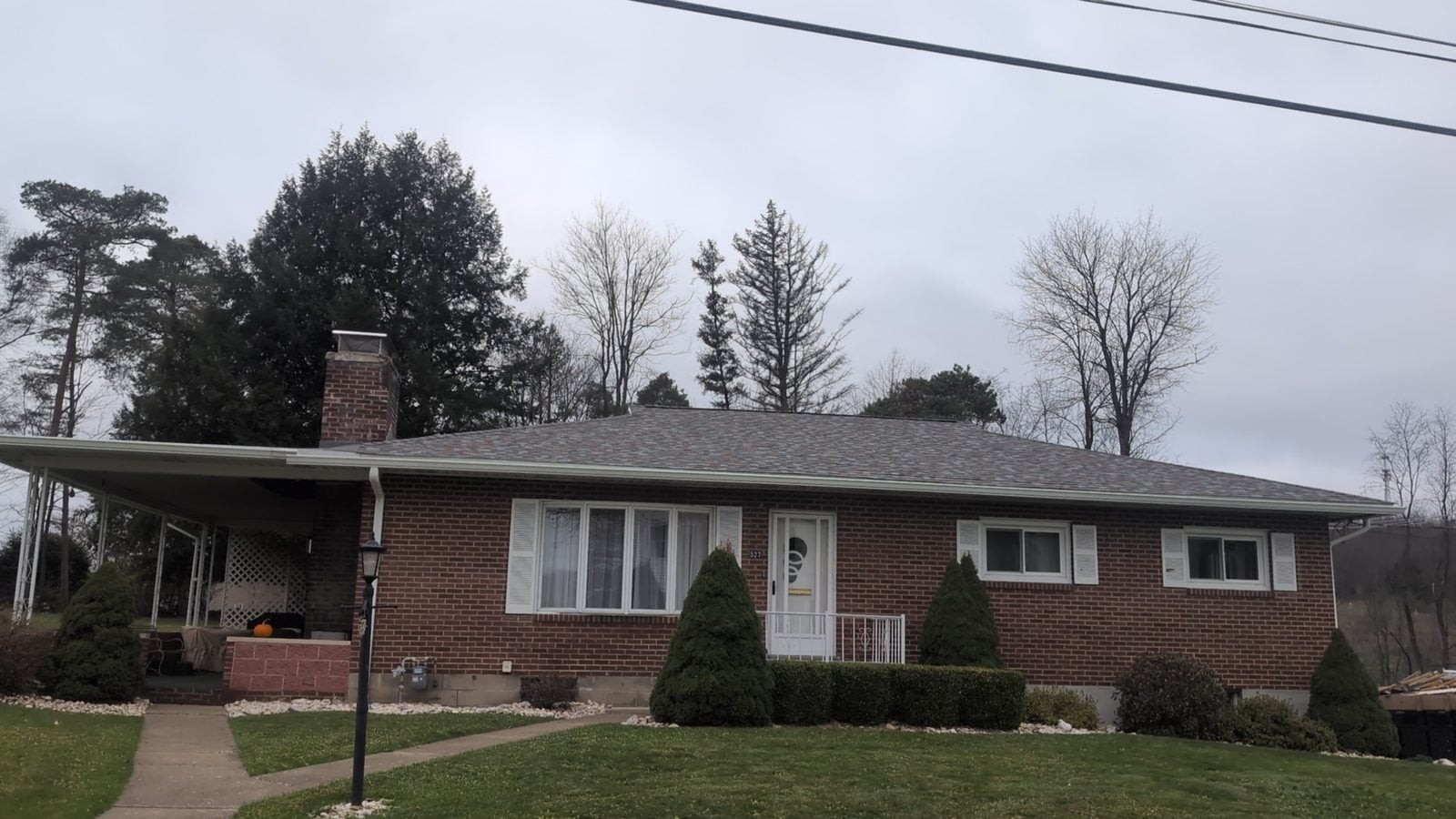
In November 2026, Starway Roof Systems replaced the roof on a brick ranch home in DuBois, Pennsylvania, after an earlier repair by another contractor...