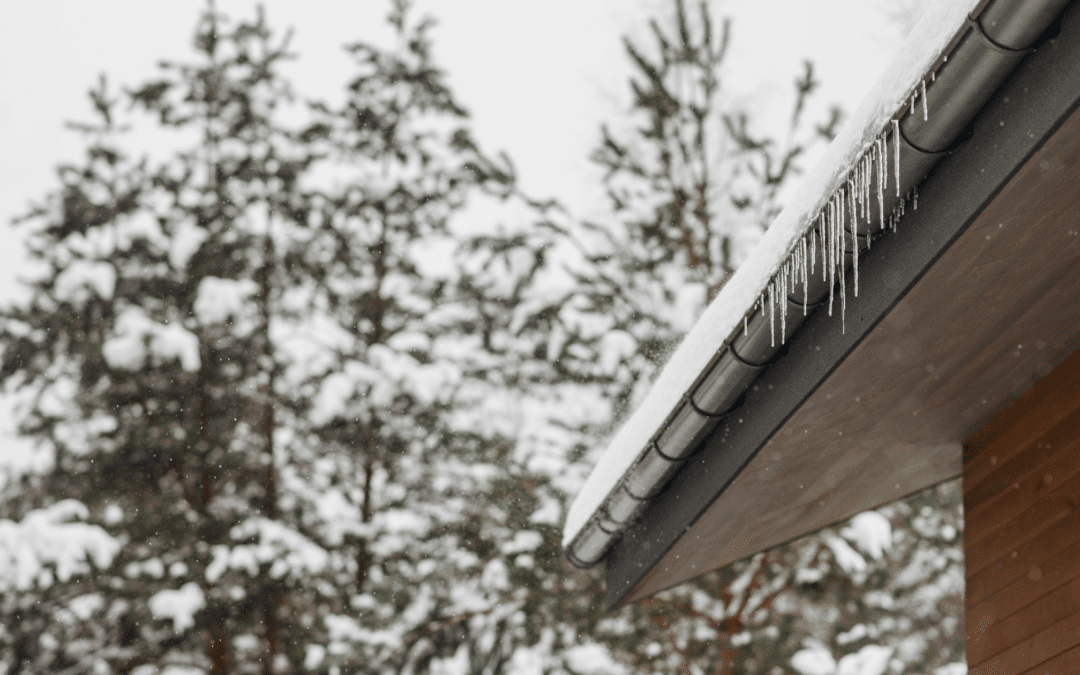
Winters in Central Pennsylvania can be harsh, bringing snow, ice, and frigid temperatures that put your roof to the test. A little preventive care goes a long way in protecting your home from leaks, energy loss, and costly repairs. Whether you’re a seasoned homeowner or new to the area, understanding the essential steps to maintain your roof during winter can save you both time and money. In this comprehensive guide, we’ll outline actionable tips, red flags to watch for, and when to call a professional.
Why Winter Roof Maintenance Matters
- Protecting Your Investment
Your roof is one of the largest investments you’ll make in your home. Proper upkeep helps extend the lifespan of your roofing materials, giving you a better return on your investment.
- Preserving Structural Integrity
A damaged or weakened roof can cause problems well beyond a few missing shingles. Water infiltration and trapped moisture can lead to mold, rot, and even structural damage, putting your family’s safety at risk.
- Maintaining Energy Efficiency
Central PA winters often bring sub-freezing temperatures. If your roof is compromised—due to lack of insulation or damaged shingles—you could be losing precious heat and driving up your energy bills.
- Avoiding Costly Emergency Repairs
Emergencies happen, but thorough maintenance reduces the chance of unexpected crises like severe leaks or ice dams. Proactive steps now could spare you the headache (and expense) of a midwinter repair call.
Step-by-Step Guide: Winter Roof Upkeep
Chapter 1: Clear Away Debris
Check for leaves, branches, and other debris that may have accumulated in gutters and roof valleys.
Debris can trap moisture, leading to water damage and rot.
Use a stable ladder and appropriate safety equipment or hire a professional if you’re not comfortable working at heights.
By keeping your roof free of debris, you minimize the risk of water backing up under shingles or clogging your gutters—both of which can escalate into more significant issues during winter storms.
Chapter 2: Inspect for Visible Damage
After removing debris, look for missing, curled, or cracked shingles.
Check for damaged flashing around chimneys, skylights, and vents—these are prime spots for leaks.
Pay attention to any sagging areas or uneven roof surfaces, which could signal structural concerns.
If you spot even minor damage, consider scheduling a professional assessment. Small problems can worsen quickly when snow and ice accumulate on your roof.
Chapter 3: Keep Gutters and Downspouts Clean
Clogged gutters are a leading cause of ice dams. When water can’t flow away from your roof, it freezes along the edges, forming thick ridges of ice.
Regularly clear out leaves and debris from gutters before temperatures drop too low.
Ensure downspouts direct water at least a few feet away from your home’s foundation to prevent flooding in your basement or crawl space.
Gutters function as an integral part of your roofing system. Keeping them clear helps protect both your roof and your home’s foundation.
Chapter 4: Ensure Adequate Attic Insulation
Heat rises. If your attic isn’t well-insulated, it can warm the roof’s surface and cause snow to melt prematurely. This meltwater can refreeze at the edges, creating ice dams.
Inspect your attic for gaps in insulation or signs of moisture accumulation.
Aim for the recommended R-value for insulation in Central PA (typically R-38 or higher, depending on your home’s structure).
Sufficient insulation not only prevents ice dams but also keeps your home warmer, reducing overall energy costs.
Chapter 5: Check for Proper Ventilation
A well-ventilated attic helps regulate temperature and moisture levels.
Look for vents in the soffits, roof ridge, or gables, ensuring they’re free of obstructions like debris or insulation material.
Good ventilation helps mitigate the risk of mold and condensation inside your attic.
When your attic can “breathe,” it prevents warm, moist air from accumulating and causing issues with your roofing materials.
Chapter 6: Watch Out for Warning Signs
Stains on your ceiling or walls often indicate a leak.
Unusual drafts in your attic could mean ventilation or insulation problems.
Persistent icicles hanging from gutters can suggest an ongoing ice dam issue.
Musty odors might point to mold or mildew growth due to hidden leaks.
If you notice any of these signs, call a professional roofing contractor to investigate further. Prompt attention can make all the difference in preventing more extensive damage.
Chapter 7: Know When to Call a Professional
If you’re uncomfortable performing any of these tasks, prioritize safety and contact a roofer.
Professionals have the experience, tools, and safety equipment needed to handle your winter roof maintenance effectively.
Regular inspections—once in late fall and again in early spring—can catch and correct minor problems before they escalate.
Many reputable contractors also offer winter services like emergency roof tarping or ice dam removal. Don’t wait until an issue becomes urgent.
Common Mistakes to Avoid
- Ignoring Minor Issues: Small leaks or a few missing shingles may not seem pressing, but winter weather can exacerbate them quickly.
- DIY on Icy Surfaces: Working on a slippery roof is dangerous. If you suspect ice buildup or extensive damage, hire a pro.
- Relying on Salt or Harsh Chemicals: While tempting, these substances can damage shingles and harm landscaping. Instead, focus on prevention (proper insulation and ventilation) to ward off ice dams.
- Waiting for Spring: Severe damage can happen any time. Addressing issues promptly can often save time and money in the long run.
Additional Winter Roof Care Tips
- Trim Overhanging Branches: Strong winds and ice can break off branches, damaging your shingles or gutters.
- Schedule a Pro Inspection: A quick look from a trained eye can reveal hidden issues you might miss.
- Document Repairs: Keep a record of any roof work done, which can help with warranty claims and insurance matters down the line.
Final Thoughts
Winter roof maintenance is about being proactive. Central PA’s cold, snowy weather tests every part of your home, and your roof is on the front lines. By following these steps—clearing debris, inspecting for damage, cleaning gutters, ensuring proper insulation and ventilation, and knowing when to call a professional—you’ll be better prepared to face whatever winter sends your way.
Don’t wait until the first major snowfall to think about your roof. With some diligence and the right precautions, you can protect your home, keep your family safe and warm, and preserve the value of your property for years to come. If you’re ever unsure or spot signs of trouble, reach out to Starway Roof Systems for expert guidance and fast, reliable service.