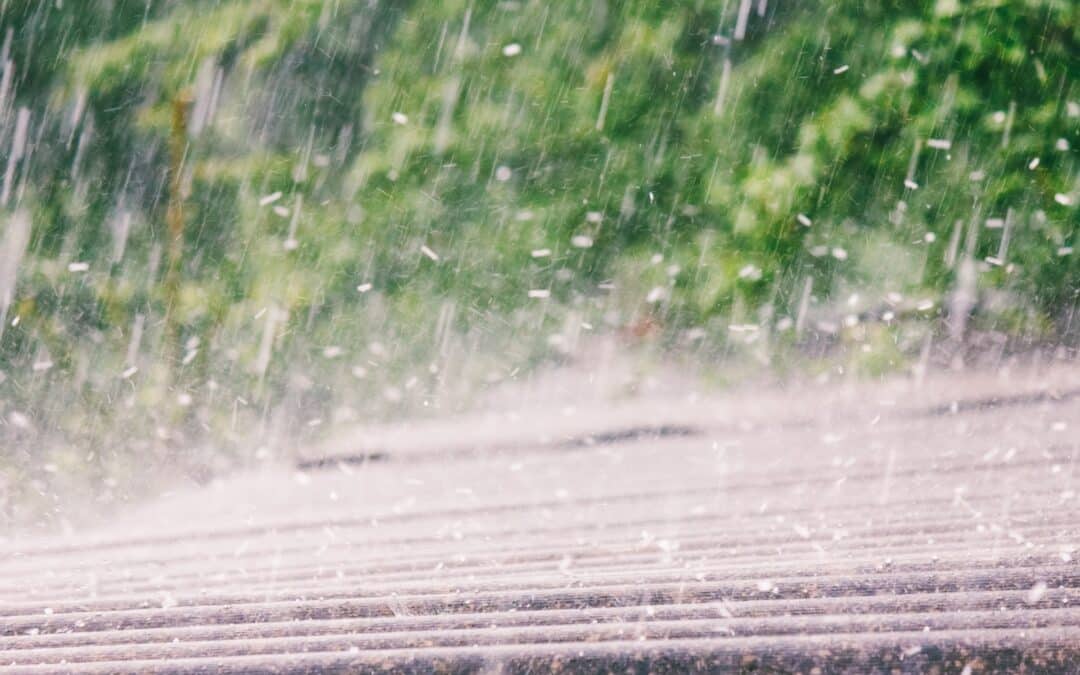
How To Identify Roof Storm Damage
Storms are a reality that homeowners must face, and they can wreak havoc on roofs. Storms can damage your roof in various ways:
- Hail Damage: Hailstones can puncture or crack roofing materials.
- Wind Damage: High winds can tear off shingles or expose the underlayment.
- Water Damage: Heavy rain can lead to leaks and water infiltration.
- Debris Impact: Tree branches or other debris can cause direct damage to the roof structure.
Understanding how to identify and fix roof storm damage is crucial for maintaining the safety and integrity of your home. This guide will help you recognize the different types of storm damage, offer practical fixes, and explain how to submit an insurance claim.
Hail Damage
Hail damage is a common occurrence during storms, and it can significantly impact the longevity of your roof. It’s essential to visually inspect your roof after a hailstorm for any signs of damage.
Recognizing Hail Damage
Hail damage is one of the most notorious culprits when it comes to roof storm damage. Hailstones vary in size but can cause significant damage even at smaller sizes. Look for dents or bruises on the shingles, which may appear as dark spots. You might also notice granules displaced from asphalt shingles.
Fixing Hail Damage
Start by conducting a thorough inspection of your roof. If you notice any bruising or granule loss, it’s essential to act promptly. Minor damage can often be repaired by replacing individual shingles. For extensive damage, consider consulting a professional roofing contractor for a comprehensive assessment and repair.
Preventing Future Hail Damage
Investing in impact-resistant shingles can mitigate future damage. Additionally, regular maintenance and inspections help ensure your roof remains in good condition, lowering the risk of severe damage during hail storms.
Wind Damage
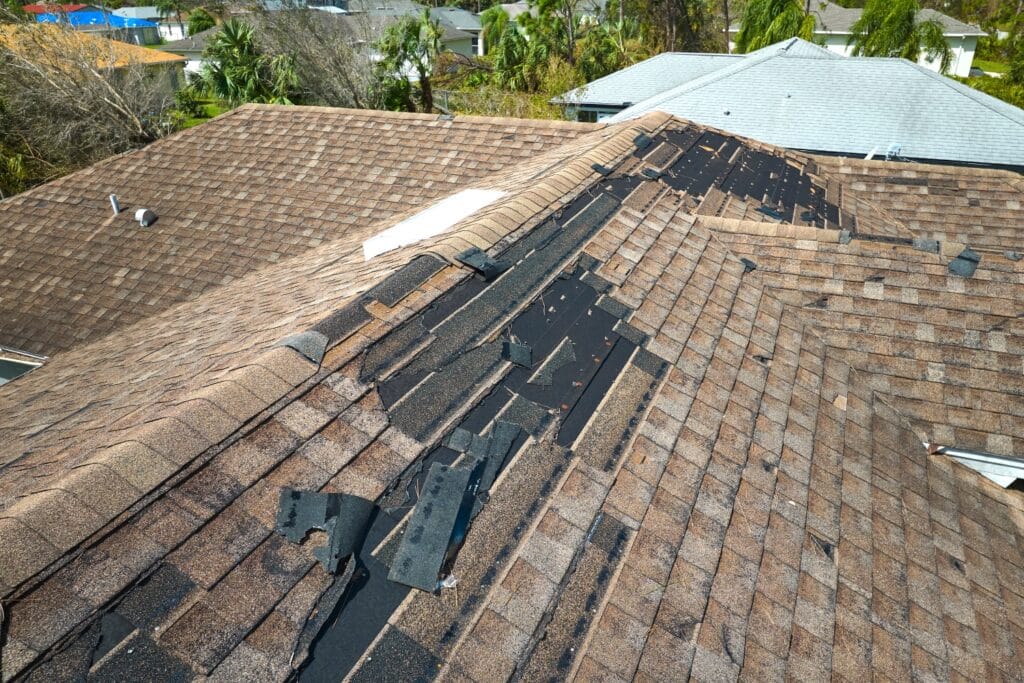
High winds are another significant cause of roof storm damage. Strong gusts can lift shingles, expose the underlayment, and even tear off sections of the roof.
Identifying Wind Damage
High winds can lift and tear off shingles, exposing the underlayment and roof deck. After a major storm, check for missing shingles or any that appear curled or lifted. Pay attention to the edges and corners of your roof, as these areas are especially vulnerable.
Repairing Wind Damage
For minor wind damage, you can replace the affected shingles yourself. Ensure the new shingles match the existing ones for a seamless repair. For extensive damage, hiring a professional roofing contractor is advisable. They can provide a more thorough inspection and ensure the repair is done correctly.
Preventative Measures for Wind Damage
Regularly inspect and maintain your roof to prevent wind damage. Secure any loose shingles and trim overhanging branches that could fall and damage your roof during high winds.
Water Damage
Water damage can come in various forms, from leaks to structural deterioration. It’s crucial to address water damage promptly to prevent further issues.
Spotting Water Damage
Water damage can be insidious, often going unnoticed until significant problems arise. Look for water stains on your ceiling or walls, and check the attic for signs of moisture or mold. If you notice damp insulation or water pooling, it’s a clear sign of water infiltration.
Water damage can also appear as bubbling or peeling paint, which can be indicative of water trapped behind the surface.
Addressing Water Damage
First, identify the source of the leak. This may involve inspecting the roof and attic or using a garden hose to simulate rain. Once identified, repair or replace the damaged shingles or flashing. For extensive water damage, professional intervention may be needed to address structural issues and prevent mold growth.
Prevention Strategies for Water Damage
Ensure your roof has proper drainage systems, such as gutters and downspouts, to direct water away from your home. Regular inspections and maintenance can help identify potential vulnerabilities before they become significant issues.
Debris Impact
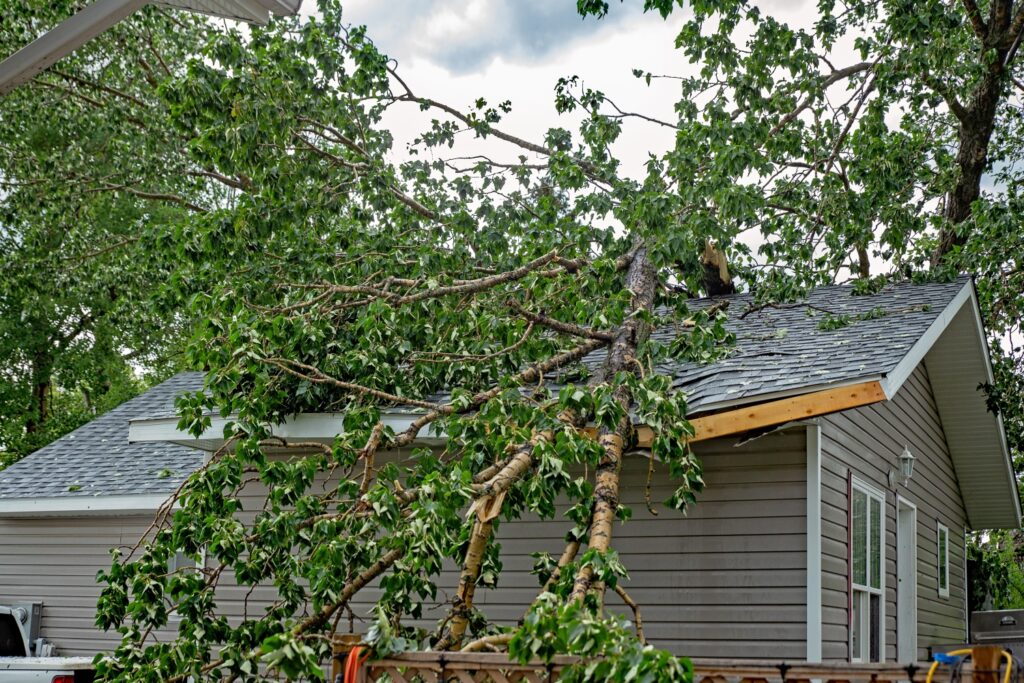
During storms, debris such as tree branches or other objects can be propelled onto your roof, causing damage. It’s essential to check for any signs of impact after a storm.
Recognizing Debris Impact
After a storm, inspect your roof for any visible signs of debris impact, such as dents, punctures, or displaced shingles. Common culprits include tree branches, loose tiles, or other objects carried by strong winds.
Fixing Debris Impact Damage
Remove any debris from the roof carefully to avoid further damage. Inspect the affected area for punctures or dents and replace any damaged shingles. If the impact caused structural damage, consult a roofing contractor for a thorough assessment and repair.
Preventing Debris Damage
Trim trees and remove any weak branches near your home. Installing a protective barrier or netting can also help shield your roof from debris during storms. Regular maintenance can also help identify and address any potential vulnerabilities.
Submitting an Insurance Claim
If your roof sustains significant storm damage, it may be covered by your homeowner’s insurance. Follow these steps when submitting an insurance claim:
- Document the damage with photos and written descriptions.
- Contact your insurance company to report the damage and file a claim.
- Schedule an inspection with a roofing contractor to assess the extent of the damage.
- Provide all documentation and estimates to your insurance adjuster for review.
- If approved, work with your roofing contractor to complete necessary repairs or replacements.
Remember that it’s crucial to act quickly when dealing with storm damage and insurance claims. Most insurance policies have a time limit for reporting and filing claims, so be sure to check your policy and follow the instructions closely.
Repair Your Roof Following a Storm
Understanding how to identify and fix roof storm damage is essential for homeowners. Regular inspections, timely repairs, and preventive measures can protect your home and ensure the longevity of your roof.
If you’ve recently experienced a storm, contact Starway Roof Systems for a professional assessment and repair. Protect your investment and ensure your home remains safe and secure.