Weather Damaged Roof: What To Look For
Preventing Roof Damage in State College with Regular Roof Inspection
Living in Pennsylvania means living with extreme weather. Those of us in State College, Mill Hall, Centre Country, Boalsburg and surrounding areas have become accustomed to preparing our homes for the seasons and doing regular home maintenance to prepare for heavy rains, snow and wind. As a result, we often don’t realize how much the weather impacts our homes until complete repairs are necessary. One particular area that is often overlooked? Your roof. Luckily if you know what to look for, you can easily inspect your roof yourself from the safety of the ground or a ladder.
Weather damage to your roof can occur due to various factors, including high winds, heavy rain, hail, and snow. It’s essential to regularly inspect your roof for signs of roof damage to prevent further damage and costly repairs. This is your guide to discovering signs of weather damage to your roof before they become a big and expensive problem. Here are a few things to look for when inspecting your roof for weather damage.
Missing or Damaged Shingles
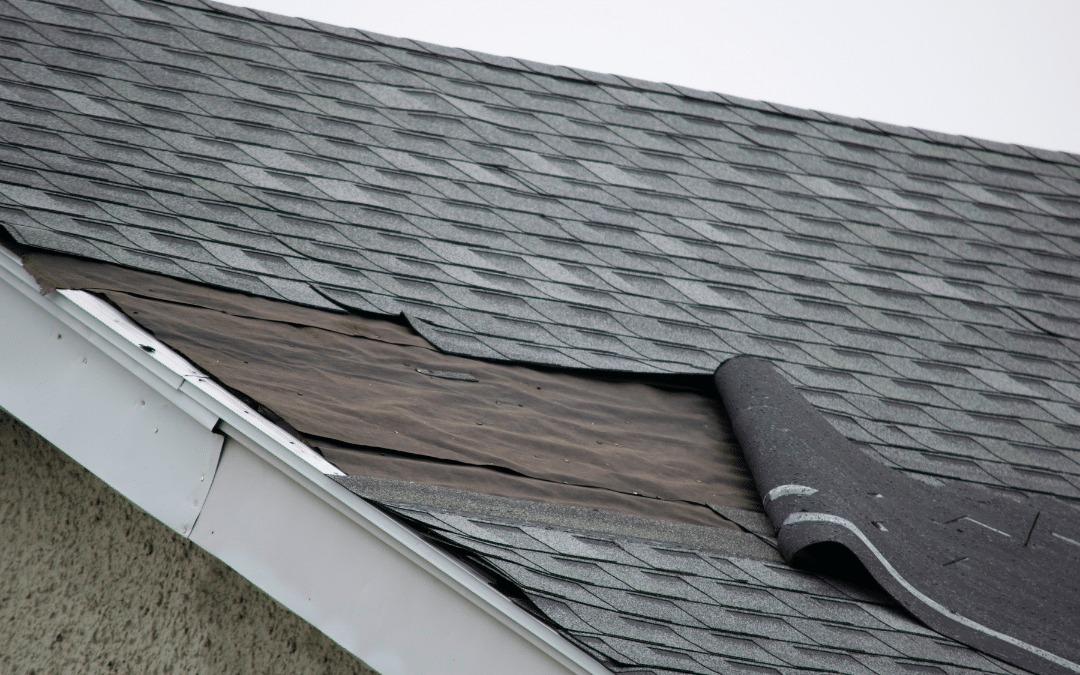
High winds, temperature changes, and snow can cause roof shingles to become loose or even tear off completely. When shingles show signs of stress, it is only a matter of time before significant roof damage can occur. Look for missing or damaged shingles on your roof and check for any signs of potential roof damage, such as shingle curling or buckling. Changes in the color of the shingles, such as sun bleaching and worn-looking tiles, are signs that your roof may need an inspection or seasonal maintenance to extend the roof’s lifespan.
Roof Leaks
Heavy rain or heavy snow can cause leaks in your roof. You may not be experiencing any leaks in your home, but leaks generally occur in the ceiling and attic before it makes their way into the house.
A leaking roof can cause various problems, both inside and outside of a building. Leaks in your roof can cause water to seep into walls, ceilings, and insulation, leading to rot, mold, and structural damage. This can also damage personal belongings and furniture. A leaking roof often causes water stains, discoloration, and peeling paint. They also seep into wiring and insulation.
Check for any signs of water damage in your attic or on your ceilings. If you notice any water stains, it’s important to have a professional inspect your roof for leaks.
Roof Damage From Hail
Hail can cause damage to roofs by denting or cracking shingles, which can lead to leaks and potential water damage. It can also cause damage to gutters and other roofing materials. The severity of the damage will depend on the size and strength of the hail, as well as the type of roofing materials used. On the rare occasion that hail occurs in your Central Pennsylvania home, look for any signs of damage on your roof, such as small circular dents. If you notice any damage, it is easy to have a quick, free and reliable inspection done by a roofer like Starway Roof Systems.
Ice Dams
Ice dams are a common problem that occur during the winter months. They form when snow on the roof melts, and the water runs down to the eaves, where it then freezes again. As more snow melts and freezes, it builds up and creates a dam of ice. These ice dams can cause water to back up and leak into your home, causing damage to your roof, walls, and ceilings.
Ice dams typically form in areas with poor insulation or ventilation in the attic. The warm air from the house rises into the attic and melts the snow on the roof, causing water to run down to the eaves. If the eaves are not properly insulated, the water will freeze again and create an ice dam. To prevent ice dams from forming, it’s important to make sure your attic is properly insulated and ventilated. This will help keep the attic cool, preventing the snow from melting and running down to the eaves. Additionally, it’s important to clear any snow off your roof, especially near the eaves, to prevent water from backing up and freezing.
If you do have an ice dam, it is essential to have a professional remove the ice dam. Attempting to remove it yourself can cause damage to your roof, and it can be dangerous as well. A professional will have the proper equipment and experience to safely remove the ice dam and prevent further damage.
Sagging Roof Deck
A sagging roof is when the roof deck, or the structural surface that supports the roofing materials, starts to droop or sag. This can happen for various reasons, but it is generally caused by a loss of structural integrity due to water damage, rotting, or other forms of deterioration.
A sagging roof can be caused by a poorly installed or inadequate support structure, lack of proper ventilation, causing moisture buildup and rot, age and roof wear and tear, improperly distributed weight on the roof, or insufficient roof maintenance over time.
A sagging roof is a serious issue that can lead to further damage and costly repairs if not addressed promptly. If left unchecked, it can lead to leaks, structural damage, and even collapse. If you notice any sagging in your roof, contact us right away.
If you notice any of these signs of weather damage on your roof, it’s important to have a professional inspect your roof and make any necessary roof repairs. Ignoring these issues can lead to further roof damage and costly repairs.Living in Central Pennsylvania means regularly inspecting your roof for signs of weather damage. Look for missing or damaged shingles, leaks, hail damage, ice dams, and a sagging roof deck. If you notice any of these issues, give us a call. At Starway we give honest, reliable and professional advice as well as cost effective solutions to ensure that any weather damage to your roof does not cause a persistent or dangerous situation. Our team is ready to help across State College, Boalsburg, Bellefonte, Mill Hall, Centre Hall, Port Matilda and surrounding areas. We are just a phone call away. Contact us today.