3 min read

Why Ice and Water Shield Matters for Your Roof

Why Ice and Water Shield Matters for Your Roof
5:34

What Is Ice and Water Shield?

Ice and water shield is a self-sealing, waterproof barrier designed to protect your roof from moisture infiltration. This durable, self-adhesive membrane bonds tightly to your roof deck and seals around nails, preventing water from seeping into your home—a key defense against the kind of roof storm damage we see across Central PA. Ice and water shield is also commonly referred to as ice guard, winter guard, or even peel and stick. On job sites you will generally hear different terms for ice and water shield but regardless of what its called, it is very important to the integrity of your roof system.

Unlike traditional roofing underlayment, which can shift and allow water penetration, ice and water shield stays firmly in place. It is typically installed in the most vulnerable areas of a roof, such as valleys, around chimneys, skylights, and along eaves where ice dams are likely to form.

Why Is It Important?

In Central PA, we see our fair share of rain, snow, and ice, making water protection a necessity. Ice and water shield helps prevent leaks before they happen, keeping your home safe and extending the life of your roof.

When snow and ice accumulate on your roof, the thawing and refreezing process can allow water to seep under shingles. Without a waterproof barrier, this moisture can damage the wooden decking, leading to rot, mold, and weakened structural integrity. Ice and water shield forms a watertight barrier that stops this process in its tracks.

Additionally, this protective layer ensures that even if shingles get lifted or damaged during a storm, water won’t easily penetrate your home. The self-sealing properties of the membrane also prevent leaks around nails and fasteners, areas that are particularly prone to water intrusion.

What Are the Dangers of Not Having It?

Without ice and water shield, your home is at a higher risk for severe water damage. Here are some of the major risks:

  • Increased Risk of Leaks – Roofs without ice and water shield are more vulnerable to leaks, especially in areas where water naturally pools or flows heavily.
  • Mold and Mildew Growth – Moisture that seeps into your attic or walls can create the perfect breeding ground for mold, leading to potential health issues and costly remediation.
  • Structural Damage – Water-damaged roof decking can weaken over time, leading to sagging or even collapse in extreme cases.
  • Higher Energy Costs – Water infiltration can ruin insulation, making it harder to regulate indoor temperatures and leading to increased energy bills.

Where Ice and Water Shield Is Installed

Ice and water shield isn’t applied across the entire roof—it’s concentrated in the areas most vulnerable to leaks. That includes the eaves, where ice dams tend to form, as well as valleys, around chimneys and skylights, and along the rakes. These are the transition points where water is most likely to work its way under shingles, so reinforcing them with a self-sealing membrane provides targeted protection exactly where your roof needs it most. At Starway Roof Systems we install ice and water shield on the first 6' up from the bottom of the roof edge, a 3' strip in all valleys, on the entire surface of roof pitches less than 3/12, a 12"-18" strip along all flashing areas and around all roof penetrations to keep our customers protected when the ice and snow hit here in Central PA.

Ice and Water Shield and Long-Term Roof Care

Think of ice and water shield as one layer in a larger system that keeps your home dry. It works best alongside proper attic ventilation, quality shingles, and consistent upkeep. Staying on top of routine roof maintenance helps you catch small issues before they reach the membrane, and understanding your roof ridge and ventilation setup ensures moisture doesn’t get trapped beneath the surface. Together, these steps extend the life of your roof and reduce the chance of costly water intrusion. For the technical requirements behind these barriers, the industry association National Roofing Contractors Association (NRCA) publishes detailed guidance that reputable roofers follow.

Building codes in many cold-climate regions now require ice and water shield along eaves for exactly this reason, and skipping it is a false economy that can lead to thousands of dollars in interior repairs. Whether you’re planning a full roof replacement or repairing a problem area, making sure this barrier is installed correctly is one of the smartest investments you can make in your home’s protection.

It’s also worth knowing that not all ice and water shields are the same. Some products are designed with a granular surface for better traction during installation, while others use a smooth, high-tack adhesive for maximum grip on the roof deck. The right choice often depends on your roof’s slope and the specific problem areas being protected. An experienced roofing contractor can recommend the appropriate grade and confirm it is installed to manufacturer specifications, which is essential for both performance and keeping your warranty valid.

For homeowners in Central PA, adding an ice and water shield is a small investment that pays off in long-term protection. Call Starway Roof Systems today for a free consultation and ensure your home is safeguarded!

Call Starway Roof Systems Now: Call Us: 814-308-0490
Serving Central PA & Surrounding Areas

Roof Storm Damage: How To Identify (And Fix)

1 min read

Roof Storm Damage: How To Identify (And Fix)

Storms are a reality that homeowners must face, and they can wreak havoc on roofs. Storms can damage your roof in various ways:
Read More
7 Roof Maintenance Tips for Handy Homeowners

1 min read

7 Roof Maintenance Tips for Handy Homeowners

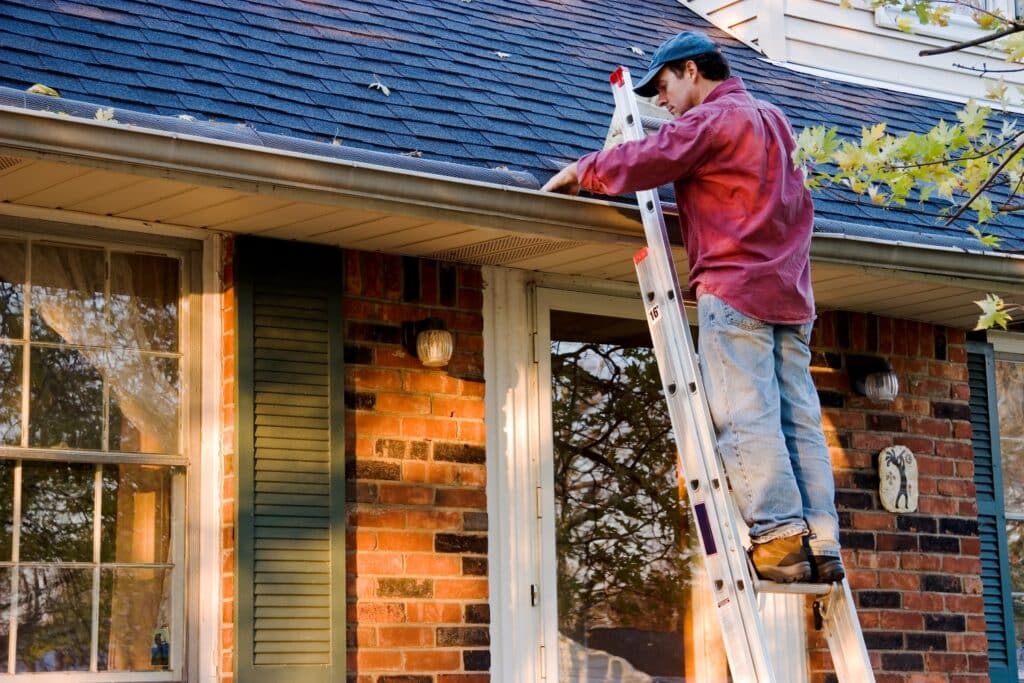
As a homeowner, it’s crucial to recognize the early signs of roof damage:
Read More
How Long Does a Roof Last? (On Average)

1 min read

How Long Does a Roof Last? (On Average)

A roof is one of the most crucial elements of a home, providing shelter and protection from the elements. However, like all things, roofs have a...

Read More